Ear Machine Home

Category

Hearing Aid Technology

11 articles

Why Your Hearing Aid Settings Today Won't Be Right for You Tomorrow

Why Your Hearing Aid Settings Today Won't Be Right for You Tomorrow

The moment your audiologist programs your hearing aids is not the moment your journey ends — it is when it begins. As your auditory system gradually recalibrates to amplified sound, the settings that felt appropriate in week two may actually be holding you back by week eight. Understanding this adjustment curve is essential for anyone who wants to get the most from their devices.


Smarter Devices, Same Struggles: Why Hearing Aid Innovation Alone Isn't Enough

Smarter Devices, Same Struggles: Why Hearing Aid Innovation Alone Isn't Enough

Hearing aids have never been more sophisticated, yet patient satisfaction rates continue to lag behind the pace of technological progress. The gap between what these devices can do and how well they actually serve users points to a more fundamental challenge — one that no firmware update can fix.

Why Month Three Is the Real Starting Line for Hearing Aid Success

Why Month Three Is the Real Starting Line for Hearing Aid Success

Many new hearing aid wearers grow frustrated when the first few weeks of use feel underwhelming or even disorienting. What audiologists understand—and most patients are never told—is that the brain requires a significant period of neurological recalibration before amplified sound truly begins to feel natural. Understanding the timeline of auditory adaptation can transform frustration into informed patience.

Why Your First Hearing Aid Fitting Often Falls Short — And How to Take Control of the Process

Why Your First Hearing Aid Fitting Often Falls Short — And How to Take Control of the Process

Most people leave their first hearing aid fitting appointment believing the hard part is over — only to discover that the devices sound wrong, feel uncomfortable, or fail to deliver the clarity they were promised. Understanding why initial fittings frequently miss the mark, and knowing exactly what to ask your audiologist, can be the difference between hearing aids that transform your life and ones that end up in a drawer.

Connected Everything, Except Your Hearing Aids: The Compatibility Problem No One Is Fixing

Connected Everything, Except Your Hearing Aids: The Compatibility Problem No One Is Fixing

Smart speakers, wireless earbuds, and Bluetooth-enabled TVs promise seamless connectivity for everyone—yet millions of hearing aid users find themselves locked out of the modern audio ecosystem. This investigation examines why the gap between hearing aid technology and consumer electronics persists, and what users can realistically do about it today.

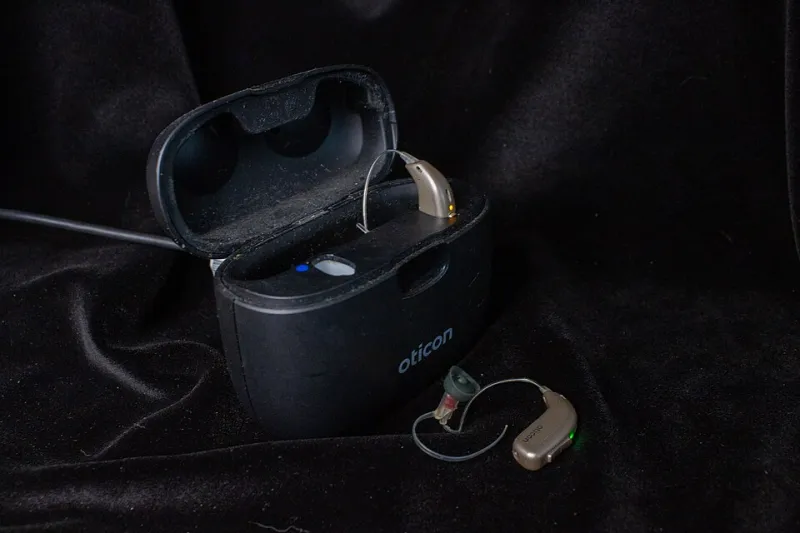
Powered All Day: How Lithium-Ion Batteries Are Redefining What Hearing Aids Can Do

Powered All Day: How Lithium-Ion Batteries Are Redefining What Hearing Aids Can Do

The shift from disposable zinc-air cells to rechargeable lithium-ion power systems represents one of the most meaningful engineering advances in modern hearing aid design. For millions of Americans who rely on these devices daily, the difference is not merely technical — it is deeply practical. This guide examines what the battery revolution means for your hearing health and how to make an informed choice.

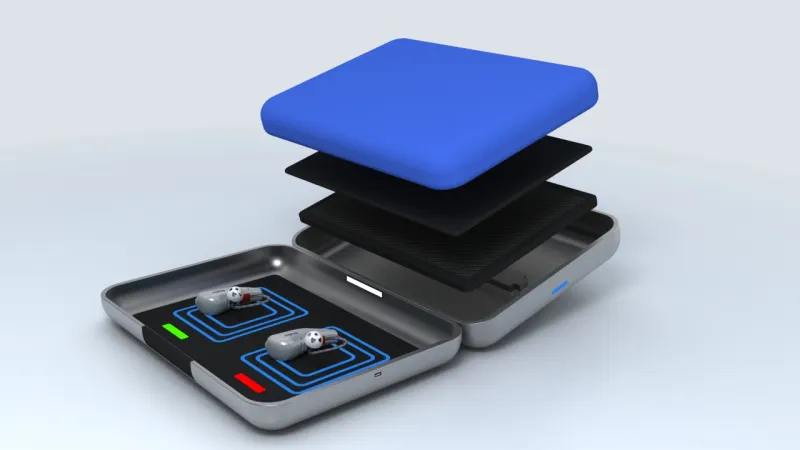
Plugging In, Not Swapping Out: The Rise of Rechargeable Hearing Aids

Plugging In, Not Swapping Out: The Rise of Rechargeable Hearing Aids

Disposable zinc-air batteries have powered hearing aids for decades, but a new generation of rechargeable technology is quietly transforming the daily experience of millions of Americans. From lithium-ion cells to inductive charging cases, modern rechargeable systems offer convenience, cost savings, and a smaller environmental footprint. Here is what every hearing aid user should know about this significant shift.

How Your Smartphone Became the Most Powerful Hearing Device in Your Pocket

How Your Smartphone Became the Most Powerful Hearing Device in Your Pocket

Modern hearing aids have evolved far beyond simple sound amplifiers—today, they communicate directly with your smartphone to deliver real-time audio adjustments, health monitoring, and even fall detection. For millions of Americans managing hearing loss, this convergence of mobile technology and auditory science is quietly changing what it means to live and hear well. Here is what you need to know about the smartphone-hearing aid partnership reshaping auditory care.

OTC Sound Amplifiers vs. Prescription Hearing Aids: The FDA's Guidance and What It Means for Your Hearing

OTC Sound Amplifiers vs. Prescription Hearing Aids: The FDA's Guidance and What It Means for Your Hearing

The arrival of over-the-counter hearing devices has reshaped the consumer landscape, but not all ear-worn amplification technology is created equal. The FDA draws a clear regulatory line between personal sound amplification products and clinically approved hearing aids—and understanding that distinction could meaningfully affect your hearing health outcomes. Here is what the evidence, and the agency, actually say.

5 Hearing Aid Misconceptions That Are Keeping You From Clearer Sound

Outdated assumptions about hearing aids continue to prevent millions of Americans from seeking the help they need. From concerns about appearance to doubts about effectiveness, these persistent myths do not reflect the reality of today's sophisticated hearing technology. Ear Machine breaks down five of the most common misconceptions—and replaces them with the facts.

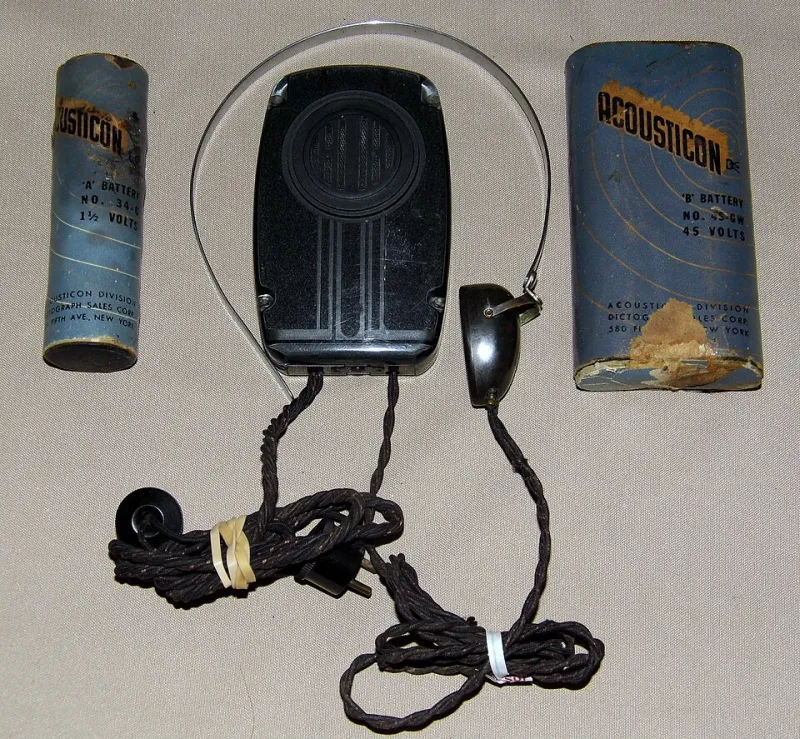
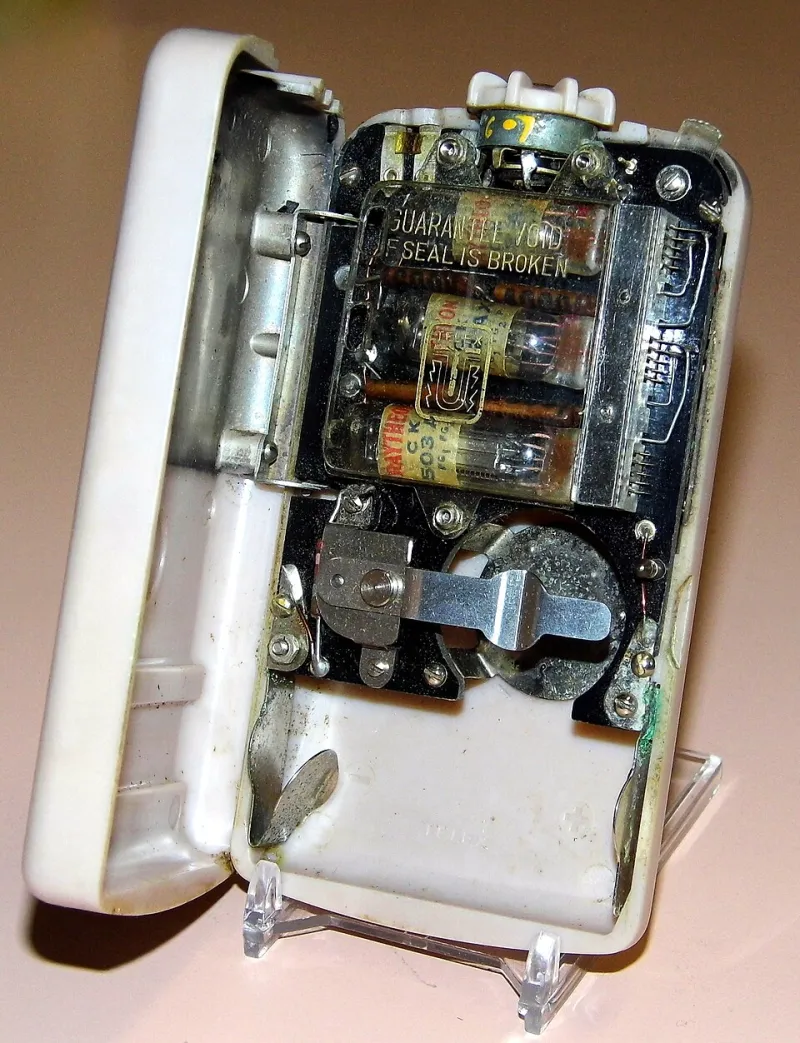
From Bulky to Brilliant: How Next-Generation Hearing Aids Are Winning Over a New Generation

From Bulky to Brilliant: How Next-Generation Hearing Aids Are Winning Over a New Generation

Modern hearing aids have undergone a dramatic transformation, shedding the stigma of outdated devices in favor of sleek, AI-powered solutions that rival consumer electronics. Audiologists across the United States are reporting a meaningful uptick in younger adults seeking fittings—a trend driven by miniaturization, over-the-counter availability, and performance that simply wasn't possible a decade ago. Here is what is fueling the shift and why 2024 may represent a genuine turning point for audit